WHEN RESISTANCE CROSSES BORDERS, AUTHORITARIAN POLITICS HAS A NEW PROBLEM
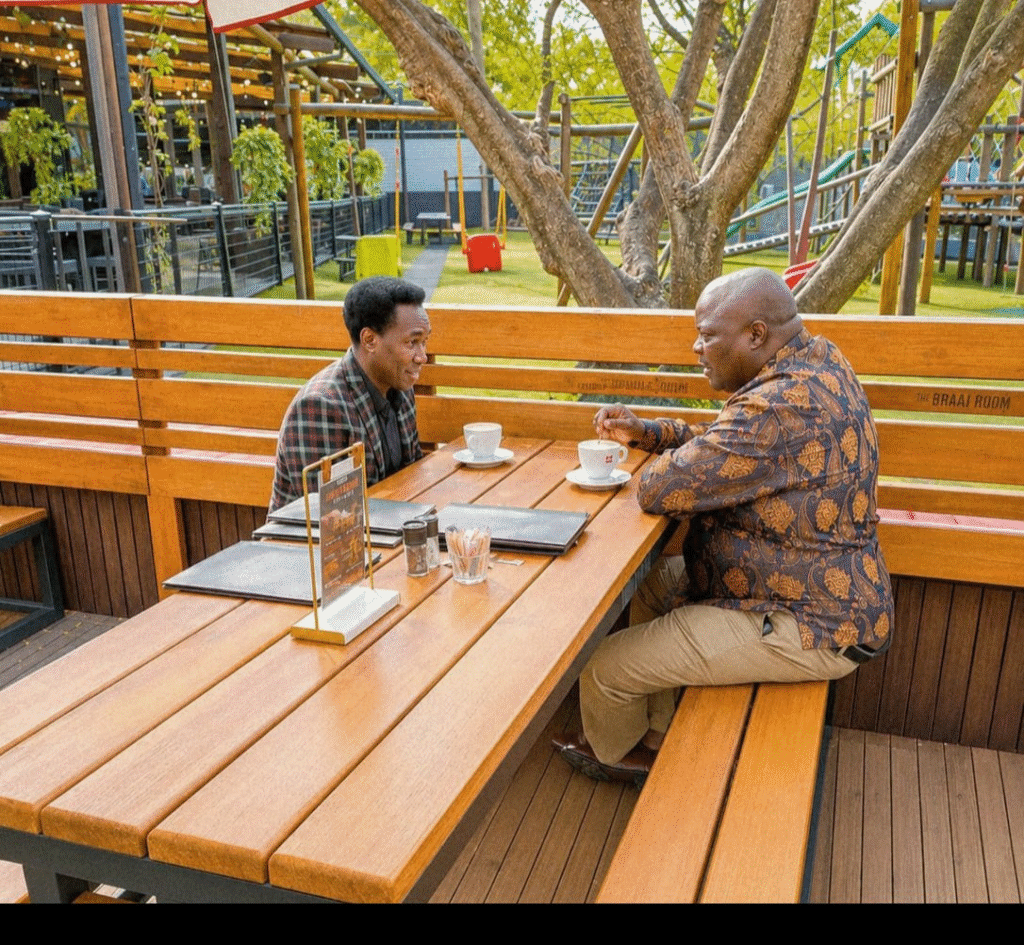
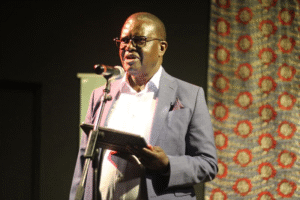
The meeting between Zimbabwean opposition politician Job Sikhala and Mozambique’s Venâncio Mondlane should not be dismissed as another photograph between two opposition figures. It reflects something much bigger happening in Southern Africa: political activists are increasingly looking beyond their national borders for ideas, solidarity and networks in their campaigns for democratic reform.
Sikhala, who now leads the National Democratic Working Group, met Mondlane in Maputo as Zimbabwe prepared for another planned stayaway. Their discussions reportedly focused on democratic struggles, political organisation and cooperation between movements operating in difficult political environments.
For Zimbabwe, the timing inevitably places the meeting within the country’s growing debate about ZANU PF, constitutional change and the future of political opposition.
After decades of ZANU PF government, Zimbabwe’s democratic struggle cannot remain trapped inside the same methods, personalities and political arguments that have repeatedly produced disappointment.
Opposition movements need organisation at community level. Civil society needs space to operate independently. Citizens need confidence that peaceful political participation can achieve something. Most importantly, Zimbabwe needs institutions that belong to the country rather than institutions perceived to exist primarily to protect whoever controls the state.
That is why regional conversations between activists matter.
Zimbabwe and Mozambique share borders and liberation histories, but today’s generation is confronting different questions. What happens when liberation movements remain dominant long after independence? How should opposition movements respond when citizens lose confidence in political institutions? How can peaceful civic pressure operate without creating conditions for violence and repression?
Those questions cannot be answered through slogans.
Sikhala’s own political history demonstrates the difficulties of opposition politics in Zimbabwe. He has spent decades challenging ZANU PF and has experienced repeated arrests and lengthy detention. Whatever one’s opinion of his politics, his experience illustrates how hostile Zimbabwe’s political environment has often become.
But resistance must also learn from its own failures.
Removing ZANU PF cannot become the only political idea. Zimbabwe needs a democratic culture strong enough to restrain whoever eventually governs the country, including today’s opposition politicians.
That principle is especially important amid controversy surrounding Constitutional Amendment No. 3.
Critics of CAB3 argue that Zimbabwe is moving towards greater concentration of political power precisely when the country should be strengthening electoral accountability. If constitutional rules governing political mandates can be altered by those who benefit from those alterations, suspicion towards government will inevitably deepen.
ZANU PF cannot indefinitely answer every democratic criticism by pointing towards the liberation struggle.
Liberation credentials are historically important, but they are not permanent permission to govern.
The generation born decades after independence cannot reasonably be expected to surrender its political future because one party played a leading role in defeating colonialism. Independence belongs to Zimbabweans, not to ZANU PF.
This is where peaceful civic organisation becomes important.
Authoritarian political systems are strongest when citizens feel isolated, powerless and convinced that nothing can change. They become more vulnerable to democratic pressure when independent organisations grow, communities participate peacefully, institutions resist political capture and citizens insist that governments remain accountable.
But Zimbabwe should also reject reckless politics that places ordinary people in danger. Democratic resistance should be peaceful, constitutional and disciplined. Violence would only deepen suffering and provide justification for further repression.
Sikhala and Mondlane therefore have an enormous responsibility if their proposed cooperation develops.
Their partnership cannot simply become two charismatic politicians exchanging revolutionary language. It must produce serious thinking about constitutionalism, accountable government, peaceful political participation and what democratic leadership should actually look like after entrenched ruling parties eventually leave office.
Zimbabwe has already experienced the consequences of placing personalities above institutions.
The opposition must not repeat that mistake.
The objective should never be replacing one untouchable political elite with another. It should be building a country where no President, party, military commander or opposition leader becomes powerful enough to bend national institutions around personal ambition.
ZANU PF’s greatest political mistake may be believing that decades in government have made its dominance permanent.
Nothing political is permanent.
Young Zimbabweans are connected to regional and global conversations in ways previous generations were not. They can observe elections elsewhere, compare governance systems, organise across borders and challenge official narratives instantly.
That makes the Sikhala and Mondlane meeting symbolically important.
Zimbabwe’s democratic struggle is increasingly becoming part of a wider African conversation about what should come after liberation politics.
The answer must not be violence, revenge or another form of authoritarianism.
It must be something ZANU PF has too often been accused by its critics of resisting: institutions stronger than political parties, constitutions stronger than presidents and citizens powerful enough to remove their leaders peacefully when they decide their time is over.
That is the democracy Zimbabwe should be fighting for.