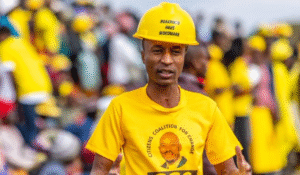
CHIVAYO’S $3.6 MILLION BRIBE: HOW ZANU PF BUYS PARLIAMENT IN BROAD DAYLIGHT
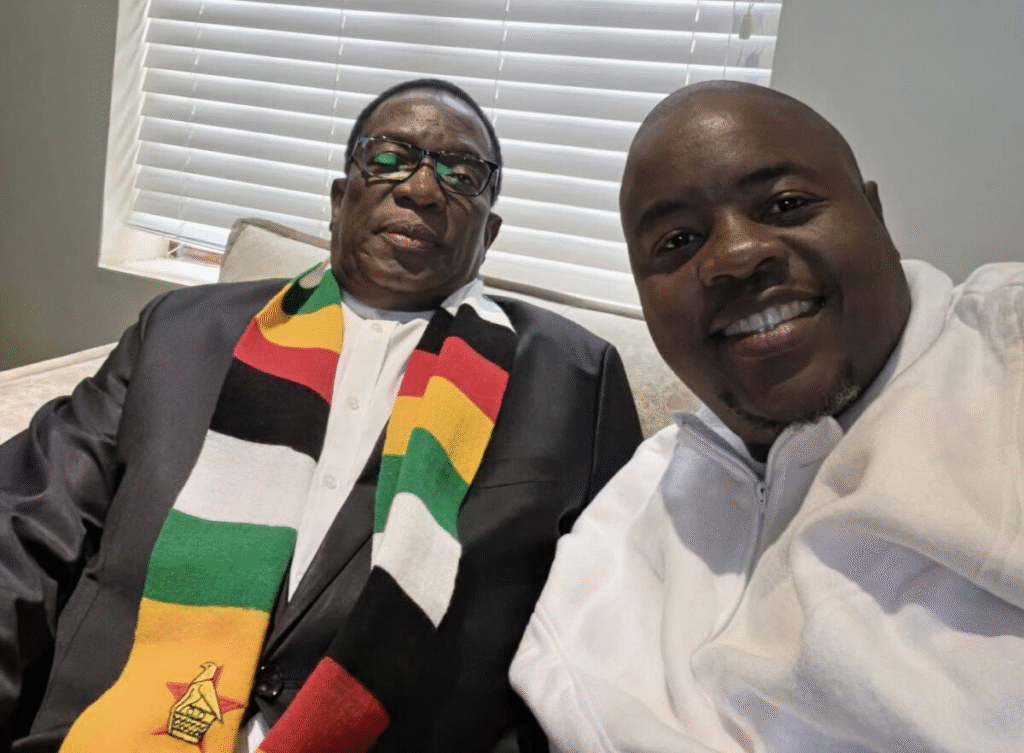
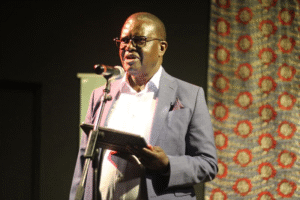
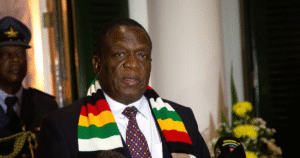
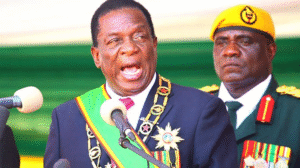
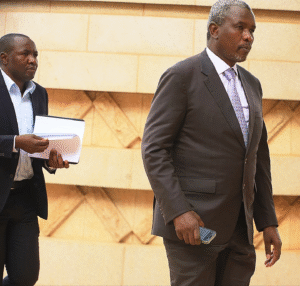
Zimbabweans must call this what it is. When Wicknell Chivayo stood up on Independence Day and announced that he would hand US$3.6 million to every member of parliament and the senate, with the personal blessing of Emmerson Mnangagwa himself, the country was not being offered a gift. It was being shown how cheaply ZANU PF believes our democracy can be bought. Ten thousand United States dollars per legislator. Three hundred and sixty seats. The price tag on Zimbabwe’s future, openly displayed for the world to see.
Let us strip away the language of philanthropy and look at what is actually happening. A businessman whose fortune was built on dubious government contracts, who refers to the President as “the principal,” who has openly campaigned for the extension of Mnangagwa’s rule, is now distributing cash to the very legislators who will soon be asked to vote on Constitutional Amendment Bill Number 3. That bill seeks to keep Mnangagwa in office beyond 2028. Chivayo did not need to mention the amendment in his statement. The timing said everything words could not.
ZANU PF apologists are working overtime to dress this transaction in the robes of national development. They point to boreholes, water projects, stalled community works and market stalls, and they ask why anyone would object to such a generous gesture. They remind us that parliament has accepted assistance from the United Nations, from the United States, from Britain and from China, as if a multilateral grant negotiated through public channels is the same as cash placed directly into the hands of legislators by a politically connected individual. It is not. It has never been. To pretend otherwise is to insult the intelligence of every Zimbabwean watching this performance unfold.
The source of the money makes the act even more obscene. Chivayo’s name remains attached to the Gwanda Solar Project, a contract worth US$173 million that for a decade produced nothing but excuses, while ordinary Zimbabweans sat in the dark and waited for power that never came. His business empire is not the product of innovation or industry. It is the product of proximity to power, of tenders awarded outside proper procedure, of public money rerouted through private hands. And now those same hands reach into the chamber of our national legislature. The criminal economy that has hollowed out this country is being used to hollow out parliament itself.
There is also the unspoken threat. Chivayo has signalled that any legislator who refuses the money should not worry, because he will simply find someone else in that constituency to channel the funds through. Read it again. He is openly preparing to fund parallel candidates against any MP who dares to keep their integrity. This is not generosity. This is intimidation. It is a warning to every legislator that the price of independence is your political career.
This is the system Zimbabweans have lived under for too long. A regime that no longer pretends to respect the separation of powers. A ruling party that treats parliament as a department of State House. A patronage network so brazen that it now publishes its bribes on social media and calls them an Independence Day gift. Once parliament has been bought, the constitutional amendment becomes a formality. Once the amendment passes, the next presidential selection may not even involve the people at all. Step by step, this regime is closing the doors that the liberation struggle was fought to open.
Zimbabweans did not bury their dead, did not endure the bullets and the prison cells, did not sing freedom songs in the bush, so that one businessman with one rich man’s blessing could buy our parliament for the price of a few luxury cars. The donation must be rejected. The bill must be defeated. And the system that produced both must finally be confronted.