WE MARCHED AGAINST MUGABE. ZANU PF MARCHED TO SAVE ITSELF.
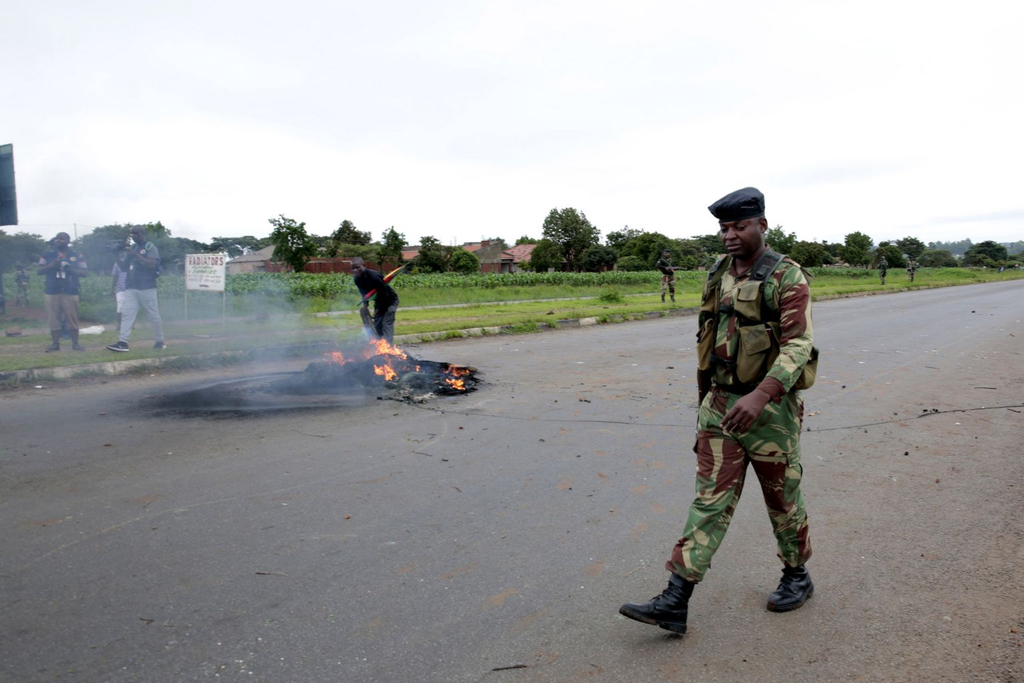
Nine years ago, Zimbabweans were embracing soldiers in the streets of Harare. People who had spent much of their adult lives fearing the military were suddenly posing for photographs beside armoured vehicles. Strangers embraced, national flags appeared everywhere and citizens briefly experienced the extraordinary feeling that Zimbabwe belonged to them. I wonder how many of those people would have joined the celebrations had they known what the following nine years would bring.
There is a distinction between what Zimbabweans wanted in November 2017 and what the military leadership intended to accomplish. Ordinary citizens wanted relief from decades of economic hardship, political intimidation and hopelessness. The generals were intervening in a succession dispute within ZANU PF. For a brief moment, these two interests coincided, and Mugabe’s departure was celebrated as a collective national achievement.
What followed should have taught us to be more suspicious of political events in which the beneficiaries are already powerful before the struggle begins.
Mnangagwa had spent decades serving Mugabe. He was intimately acquainted with the machinery of government that Zimbabweans wanted dismantled. Yet somehow, the removal of his political mentor was presented as sufficient evidence that he would govern differently. His involvement in the old administration was conveniently overlooked in the excitement surrounding its collapse.
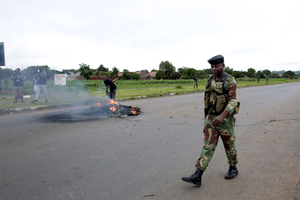
The events of 1 August 2018 should have ended that generosity. Six people lost their lives during the violence that followed the disputed elections. Even the commission chaired by former South African President Kgalema Motlanthe found that the military’s use of lethal force was unjustified and disproportionate. The commission recommended accountability for those responsible. Years later, Zimbabweans are still entitled to ask what meaningful justice has been delivered to the affected families. veritaszim+1
Meanwhile, the architects of the Second Republic have become increasingly comfortable demanding patience from people whose working lives are being consumed by economic uncertainty.
A university graduate who completed their studies in 2017 is probably approaching their mid thirties today. How many such graduates have secured employment appropriate to their qualifications, accumulated meaningful savings or purchased homes through their professional earnings? How many have instead spent those years selling goods, looking for opportunities abroad or depending on relatives working overseas?
Nine years is a substantial portion of a person’s productive life. ZANU PF discusses economic transformation as though citizens have an unlimited supply of years to sacrifice while politicians experiment with currencies and congratulate themselves on development projects.
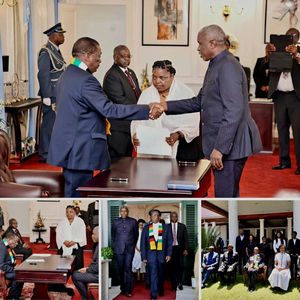
Then there is the extraordinary irony of this year’s constitutional amendments. On 7 July 2026, Mnangagwa signed legislation extending presidential terms from five to seven years and transferring the election of the President from citizens to Parliament. Human Rights Watch subsequently raised serious concerns about the implications for democratic governance and fundamental freedoms.
The administration born out of national exhaustion with Mugabe’s prolonged presidency has now manufactured additional time for its own leader.
Perhaps the most important lesson of November 2017 is that Zimbabweans must stop measuring political progress by the departure or arrival of particular personalities. A president who cannot be restrained by independent institutions will eventually discover that public office can be used to advance his private political interests. ZANU PF has repeatedly demonstrated how dangerous that discovery can become.
I refuse to romanticise Mugabe simply because his successor has disappointed the country. Zimbabweans were justified in celebrating his departure. Their mistake was believing that the people who had helped sustain his administration for decades could be entrusted with dismantling its most objectionable features without meaningful democratic pressure.
When Zimbabwe eventually experiences a genuine democratic transition, its success should be measured by how easily citizens can remove the next government, investigate the next president and hold the next powerful businessman accountable.
Until then, those photographs from November 2017 remain a painful reminder of a population celebrating its apparent liberation while the ruling establishment was quietly arranging its own survival.