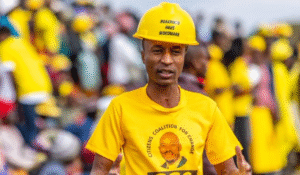
TIMBA IS NOT THE PROBLEM, OPPOSITION DIVISIONS ARE
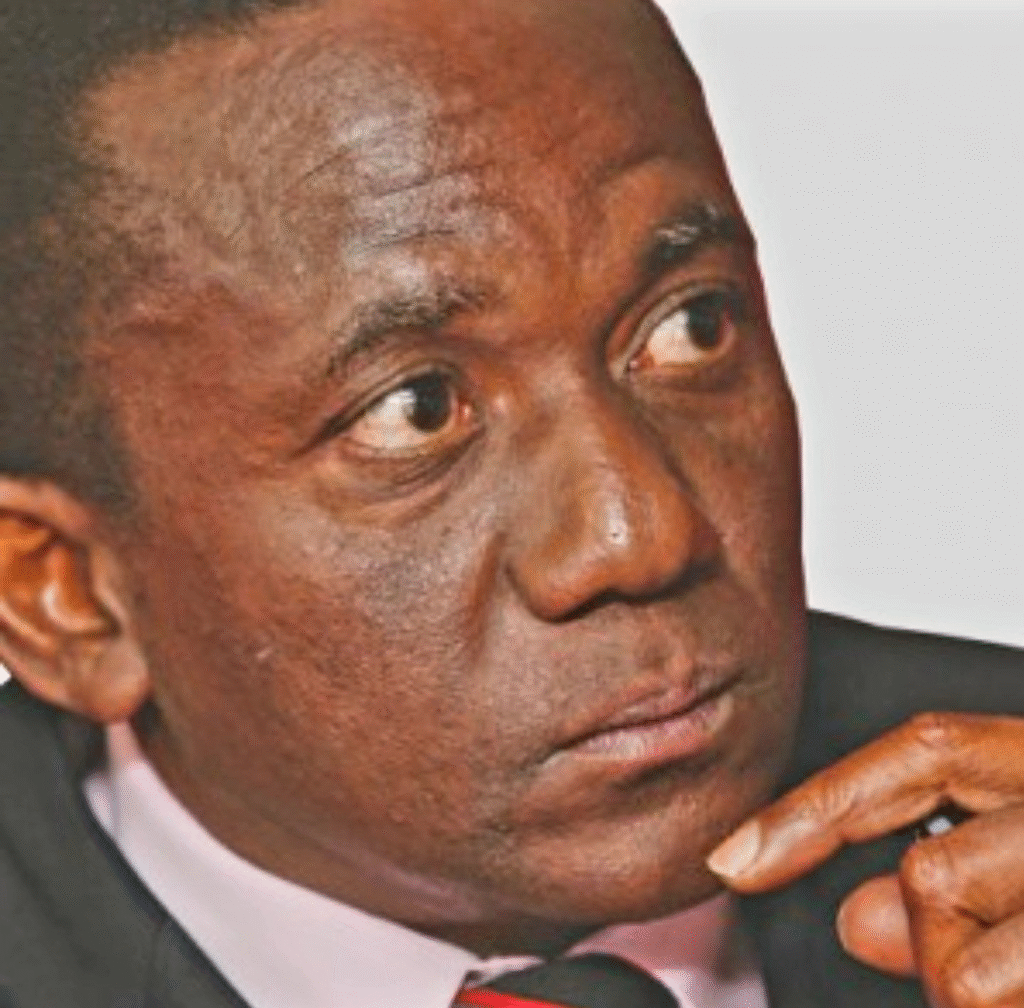
Zimbabweans who want change have every reason to be worried by the growing divisions in the opposition. At a time when the country faces serious political and economic problems, energy is being wasted on internal fights instead of confronting the real problem, ZANU PF’s continued grip on power.
The latest fallout between Jameson Timba and Nelson Chamisa over Constitutional Amendment Bill No. 3 has exposed deep cracks. What should have been a united fight to defend the Constitution is now turning into a public battle over who has the right to lead that resistance.
A leaked recording reportedly captured Chamisa harshly criticising Timba, questioning who he is and what mandate he has to oppose the constitutional changes. That kind of language is shocking, especially considering Timba’s long history in Zimbabwe’s democratic struggle.
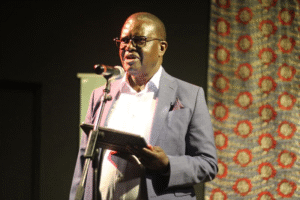
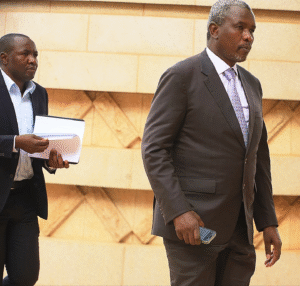
Jameson Timba is not a new face in opposition politics. He has been involved in the fight for democratic change for decades. He worked closely with the late Morgan Tsvangirai, one of the most important opposition figures in Zimbabwe’s history. He also worked with Chamisa before this current fallout.
This is a man who has paid a price for his political beliefs. In June 2024, Timba and dozens of activists were arrested after gathering at his private residence in Avondale to mark the Day of the African Child. They were detained for more than five months. That is not the story of someone sitting on the sidelines. That is the story of someone deeply involved in the struggle.
So when questions are raised about his legitimacy, many Zimbabweans will find that difficult to understand.
Timba’s response was calm but clear. After the Constitutional Court hearing challenging the constitutional amendment push, he thanked those who stood up in defence of constitutionalism. He named Godfrey Gurira, Prince Dubeko, and Professor Lovemore Madhuku for their role in the case.
But one line in his statement stood out.
“Democratic work is collective work. Different actors. One constitutional purpose. Mandate is not declared — it is earned through service, organisation and showing up.”
That was a direct message, even if carefully worded.
And it raises an important question. Does the fight for democracy belong to one person, or does it belong to the people?
Zimbabwe’s opposition has often suffered because of personality politics. Too much attention goes to individuals instead of building strong institutions and united movements. That weakness has helped ZANU PF remain comfortable for years.
If opposing Constitutional Amendment Bill No. 3 requires permission from one political figure, then something is badly wrong. Defending the Constitution should be the duty of every citizen who believes in democracy.
The bigger issue is what this fight says about the opposition’s readiness to lead. Zimbabweans are tired. They are facing unemployment, poor hospitals, failing public services, corruption, and a cost of living crisis. They need leadership that is focused, disciplined, and united.
Public fights like this only strengthen the ruling party.
The Constitutional Court has reserved judgment, but the political judgment from the public may already be forming.
Zimbabwe does not need more opposition infighting. It needs courage, teamwork, and leaders who understand that democratic change is bigger than personal egos.
Timba may not be perfect. Chamisa may have his own reasons for frustration. But if the opposition keeps fighting itself while ZANU PF pushes ahead, ordinary citizens will once again be the biggest losers.
The struggle for Zimbabwe’s future cannot be reduced to who gave permission to whom. It is too important for that.