2030 IS NOT A DESTINATION, IT IS A POWER GRAB
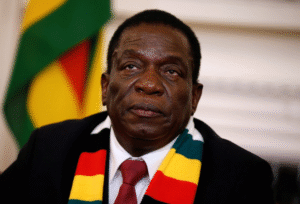
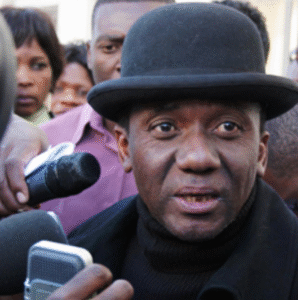
While Zimbabwe burns under the weight of economic collapse and shrinking freedoms, our Justice minister Ziyambi Ziyambi was shuttling between Harare and Nairobi for secretive consultations on how best to stretch President Emmerson Mnangagwa’s stay in power to 2030. The urgency of this mission is telling. He even cancelled his planned attendance at the 61st session of the United Nations Human Rights Council in Geneva to focus on pushing through constitutional amendments that many citizens have already rejected in spirit and in principle.
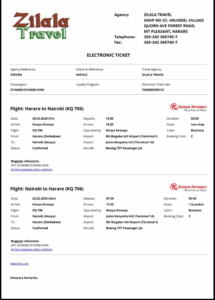
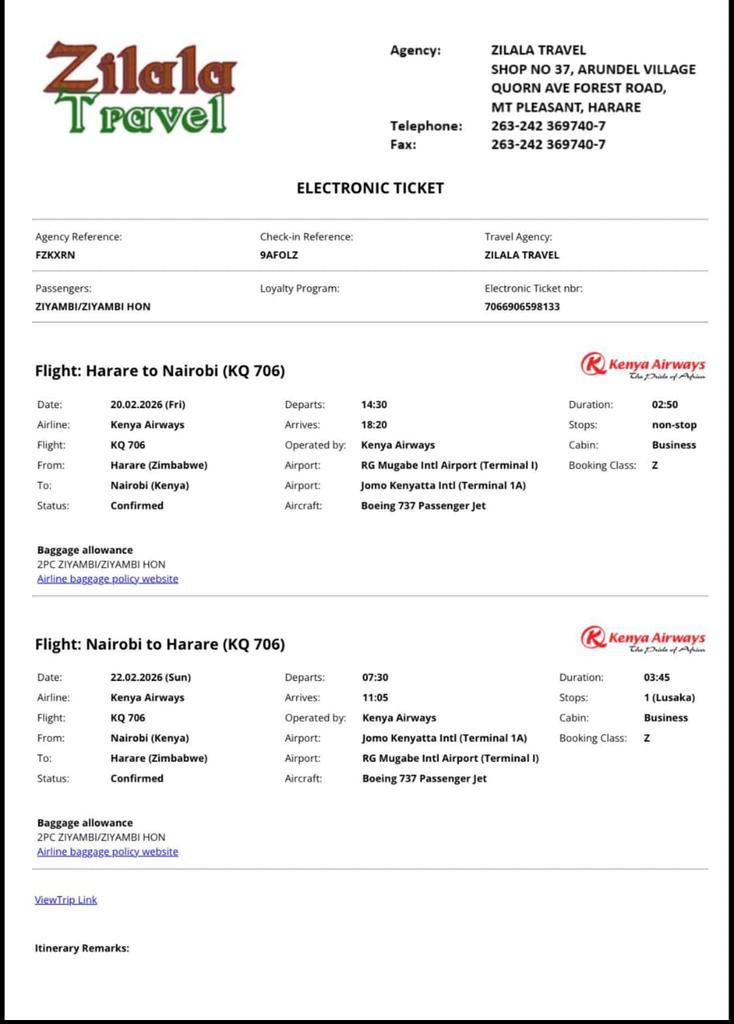
His leaked travel itinerary shows a hurried trip from Robert Gabriel Mugabe International Airport to Jomo Kenyatta International Airport aboard a Kenya Airways Boeing 737. He was meant to return early but arrived hours later after delays. What matters is not the flight schedule. What matters is why this trip was more important than representing Zimbabwe at one of the most significant global human rights platforms.
In Nairobi, Ziyambi was consulting Professor Jonathan Moyo, now hired as a consultant on constitutional amendments that would extend Mnangagwa’s term beyond the legal two term limit which ends in 2028, lengthen the presidential term from five to seven years, and abolish direct popular voting in presidential elections. These proposals are not administrative tweaks. They are a fundamental dismantling of democratic safeguards that Zimbabweans fought and bled for.
Instead of facing scrutiny in Geneva where the UN Human Rights Council will debate protection of human rights defenders, freedom of religion, rights to food and housing, and human rights while countering terrorism, Ziyambi chose to focus on managing a ninety day public consultation process that many fear is cosmetic. The Council will also examine grave situations in Afghanistan, Nicaragua, Venezuela, China, Syria, South Sudan, Iran, North Korea, Myanmar and the Occupied Palestinian Territory Israel. Zimbabwe’s own record has repeatedly come under sharp criticism at such forums, with civil society testimonies often exposing the gap between official narratives and lived realities.
This year’s session comes at a time when the global human rights system is under immense strain. The genocide in Gaza, Russia’s war against Ukraine, and selective application of international law have weakened faith in multilateral institutions. The recent United States military attack against Venezuela and seizure of President Nicolas Maduro has further shaken confidence in the international legal order. Yet even in this turbulent environment, Zimbabwe’s government seems less concerned about rebuilding credibility abroad and more focused on consolidating power at home.
Attorney General Virginia Mabiza, appointed in November 2023 as the first woman to hold that office, will now represent Zimbabwe in Geneva. It will be a baptism of fire. Civil society organisations and fierce critics are ready to confront our government over repression, shrinking civic space and weaponised lawfare. Only days ago journalist Blessed Mhlanga told the summit that local media is reeling from intense political repression. That testimony reflects what many Zimbabweans experience daily.
Back home, Ziyambi is racing against the ninety day window for consultations, engaging Parliament, the Portfolio Committee on Justice, Legal and Parliamentary Affairs, legal experts and strategists inside and outside the country. The speed and intensity of these engagements expose the real priority. Extending Mnangagwa’s rule is being treated as a national emergency, while poverty, unemployment, collapsing hospitals and hunger are treated as background noise.
Term limits exist for a reason. They prevent personalisation of power. They protect institutions from being captured by one individual or faction. They guarantee that leadership renewal remains possible. Extending them for the benefit of an incumbent who has already served two terms is not reform. It is regression.
Zimbabwe does not need a seven year presidency. It does not need the abolition of direct popular voting. It needs accountability, jobs, food security and respect for basic freedoms. 2030 is being marketed as stability. In truth, it risks becoming a symbol of democratic decay.