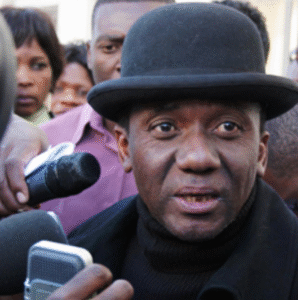
THE REAL STORY BEHIND THE FIGHT BETWEEN MNANGAGWA AND CHIWENGA
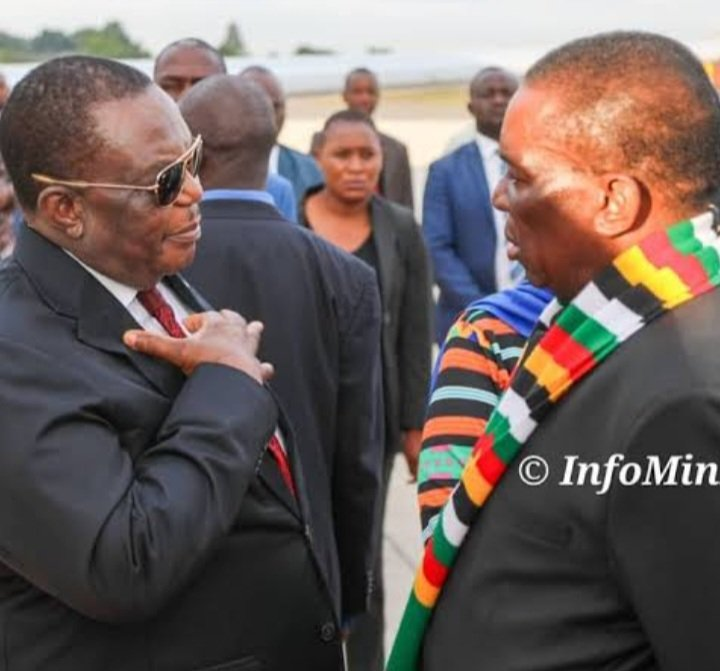
Many people today talk about the question that has been in our politics for years. Did Mnangagwa betray Chiwenga, or did Chiwenga fail to understand the real game? Some say it is simple. One man used the other and then pushed him aside. But when we look closely at what happened, the story is much bigger than two men. It is also about how power works in Zimbabwe and how our system rewards people who move first, strike first, and trust no one.
Since 2017, people have repeated the same story. A soldier removes the old leader. Then the politician he helps later turns against him. It looks clean. It looks like a movie. But the truth is not that simple. The question of betrayal cannot be answered without looking at the minds of the two men and the political system they were operating in.
Mnangagwa and Chiwenga were never true partners in the beginning. They were not united because they believed in the same ideas. They came together because of crisis. In 2017, the fight between G40 and Lacoste was too deep. When Mnangagwa was removed from his vice president position, the military felt the pressure and decided to act. Chiwenga spoke as a soldier trying to save the liberation story. Mnangagwa spoke as a politician who knew how to calm the party and present a legal picture.
Each man brought something the other did not have. Chiwenga brought the guns, the discipline, and the army. Mnangagwa brought the political face and the chance to make the takeover look normal and acceptable. When Mugabe resigned and Mnangagwa became president, many thought the plan was short term. Some soldiers even believed power would later move to Chiwenga after things were stable.
At first, it even looked like that plan was real. Chiwenga became vice president. Many senior soldiers were placed in important offices. It looked like the spirit of 2017 was alive. But the truth changed very fast. By late 2018, Mnangagwa had started creating his own space. He moved military leaders around. Some were sent into retirement. Some were given diplomatic posts far from the centre. Others were watched closely.
Mnangagwa also rebuilt the intelligence system so that it did not depend on the old military networks. He changed party structures so his own loyal people would rise. Slowly, the power that the military thought it had began to fade. When the economy became worse in 2018 and 2019, Mnangagwa leaned more on business and civilian networks. This made the military less important.
By 2020, Chiwenga was already pushed to the side. His long sickness took him away from the main political field. In that time, Mnangagwa strengthened everything around him. His loyal people were promoted. The party and the state became tools for protecting him alone. Even the arrest of some people linked to the military was a warning. It showed who was now in full control.
By 2022, the partnership that began in 2017 was no longer real. Chiwenga still had the title of vice president, but he did not have the strong power he once held. Mnangagwa was now ruling with full control of the security, the information, and the key positions in the state. What started as a shared mission had turned into a quiet fight where one man gained everything and the other lost the ground he thought he had secured.
So did Mnangagwa betray Chiwenga? Or did Chiwenga fail to see the real game? Maybe it is both. But what is clear is that our political system does not allow two centres of power. It rewards the one who moves first to protect himself, even if it means leaving his partner behind.