A COUNTRY IN DEBT CANNOT AFFORD MNANGAGWA’S POLITICAL FAVOURS
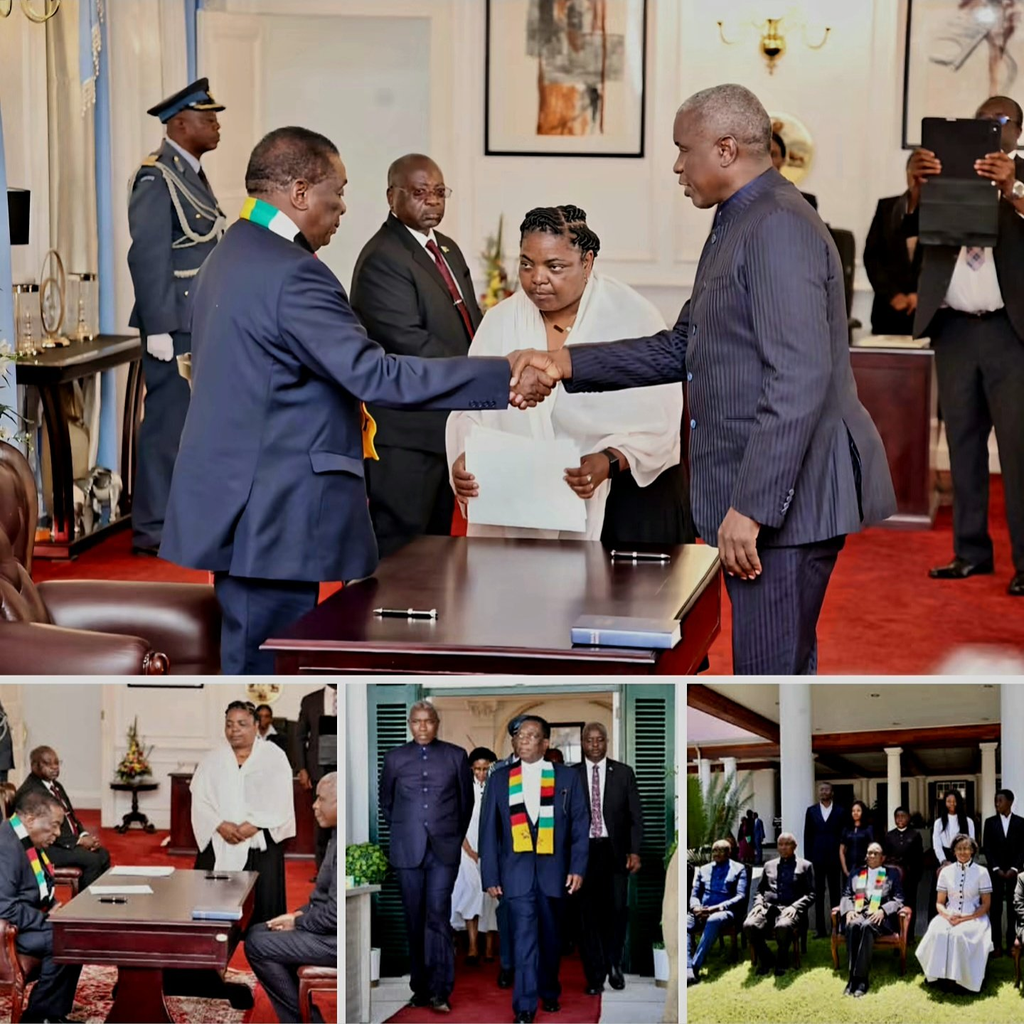
On 7 October, the International Monetary Fund announced that Zimbabwe had successfully completed the second review of its Staff Monitored Programme. The following day, President Emmerson Mnangagwa appointed Kudakwashe Tagwirei as Minister of Economic Development and Investment Promotion. It took the President approximately 24 hours to introduce a fresh credibility problem into an economic recovery programme that his own government had spent months negotiating.
According to revelations by The NewsHawks, officials from the IMF and World Bank expressed serious reservations about Tagwirei’s appointment during their October meetings in Bangkok. Finance Minister Mthuli Ncube reportedly returned to Harare with a message that the President could hardly have welcomed. Zimbabwe’s efforts to restore international financial relations risked being undermined by the appointment of a businessman under American and British sanctions.
What exactly did Mnangagwa expect?
In July 2021, the British government imposed sanctions on Tagwirei, alleging that his company, Sakunda Holdings, had benefited from redeeming government Treasury Bills at up to ten times their official value. These are allegations concerning the management of Zimbabwean public resources. One would ordinarily expect a government committed to economic reform to investigate such matters before considering the individual concerned for public office.
Mnangagwa chose to give him a ministry.
The reported intervention by international financial institutions appears to have persuaded the President to reconsider the extent of Tagwirei’s responsibilities. The November government gazette placed only the Competition Act and the Census and Statistics Act under his administration. Earlier proposals reportedly envisaged giving him authority over the Mutapa Investment Fund and the Zimbabwe Investment and Development Agency, among other important institutions.
Even the reduced mandate deserves scrutiny. Giving a businessman with extensive commercial interests responsibility for legislation governing market competition raises obvious questions about conflicts of interest. How will smaller businesses competing against enterprises associated with Tagwirei be assured of impartial treatment? What arrangements exist to prevent commercial interests from influencing ministerial decisions?
These questions should have occupied Parliament long before they became matters of concern in Bangkok.
There is something humiliating about discovering that foreign financial institutions reportedly had to explain to our President why such an appointment could damage Zimbabwe’s economic reputation. We have economists, lawyers, entrepreneurs and experienced public administrators whose professional backgrounds would make them credible representatives of the country. Many have spent their careers building businesses without enjoying privileged access to government contracts or the presidency.
Yet ZANU PF’s political culture repeatedly places proximity to power above institutional credibility. Cabinet appointments increasingly invite speculation about succession arrangements, factional loyalties and the distribution of influence among wealthy political allies. The economic interests of ordinary Zimbabweans seem to enter these calculations considerably later.
Consider the absurdity of Ncube’s position. He travels abroad seeking assistance to resolve billions of dollars in outstanding debt while his President elevates a businessman whose historical dealings in government securities have themselves attracted international corruption allegations. Ncube must persuade creditors that Zimbabwe has learnt lessons about financial discipline while defending the political decisions that undermine that very argument.
Zimbabweans will ultimately carry the cost of any failed economic engagement. Tagwirei will presumably remain wealthy whether the country secures affordable international financing or spends another decade excluded from it. The manufacturer struggling to finance new machinery, the graduate searching for employment and the patient relying on an underfunded public hospital enjoy no such insulation.
Reducing Tagwirei’s ministerial powers does little to resolve the underlying problem. Zimbabwe needs transparent appointments, independent scrutiny of public expenditure and enforceable rules governing conflicts of interest. Those safeguards cannot remain dependent on whether international lenders are sufficiently alarmed to intervene.
Mnangagwa owes Zimbabweans an explanation of why he considered this appointment appropriate in the first place. The country should never have to travel thousands of kilometres to Bangkok to discover that its President’s political preferences may be incompatible with its economic interests.