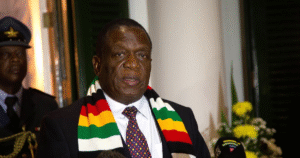
Mugabe Lost the Presidency. ZANU PF Kept the Microphone.
At a rally in Chinhoyi in July 2017, Grace Mugabe had a complaint about The Herald. Some people in ZANU PF were getting favourable coverage. Others were being attacked. As for her own work in Mazowe, she thought the paper showed far too little interest. In front of thousands of people, she wagged a finger at George Charamba, her husband’s spokesman, and told him where he had gone wrong. Read the exchange today and one detail still startles. The First Lady spoke as though the public owed her space in its newspaper.
Zimbabwe had already decided who should make that call. Section 61 of the Constitution gives state media editorial independence, requires impartiality and guarantees a fair hearing for dissenting views. An editor was entitled to decide that something more important had happened that morning than whatever Grace Mugabe was doing in Mazowe. Imagine an editor standing up at that rally and telling her so. The distance between the right on paper and the difficulty of exercising it tells you a great deal about Mugabe’s Zimbabwe.
Four months later, Robert Mugabe lost power. Charamba stayed. In a 2018 interview, he said he had considered retiring and that Emmerson Mnangagwa persuaded him to remain. He went on to become deputy chief secretary responsible for presidential communications. Consider the choice Mnangagwa made. A president promising a fresh start wanted the man who had spent years explaining Mugabe to Zimbabweans to explain Mugabe’s successor to them as well. What exactly did the incoming administration value enough to keep?
Chinhoyi supplied an answer nine years after Grace’s performance. At ZANU PF’s October 2026 conference, Constantino Chiwenga questioned whether party resolutions reflected what ordinary members wanted. Mnangagwa spoke of discipline and warned against pursuing personal agendas. Both used the expression mazvake mazvake. When speculation arose about Charamba’s hand in the speeches, he gave a clear answer. He said he no longer drafted speeches under the Second Republic. He also offered a checkable correction about his own biography. In 1984, when the disputed account placed him at the Information Ministry, he said he was finishing his degree.
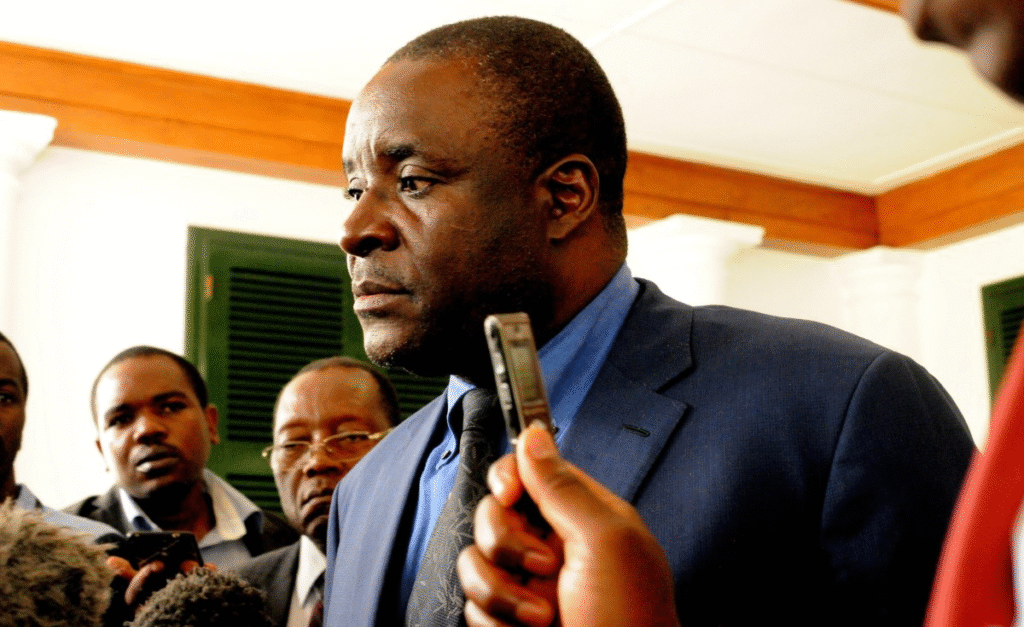
Charamba had every reason to correct the record. Then he called The NewsHawks a “dying Soros outfit”. Read those words beside the correction about his degree. One gives readers a date and a fact they can check. The other invites them to distrust an entire newsroom by invoking a foreign name. Why would a presidential spokesman who had a perfectly good factual answer reach for that insult? And what does a young reporter learn from watching the President’s most experienced communicator deal with a question he dislikes?
There is a kind of political greed in these two Chinhoyi episodes. In 2017, the presidential household wanted a say over which stories deserved space. In 2026, the presidential spokesman presumed to tell readers what kind of newsroom they were dealing with because it had questioned his role. The appetite is for the editor’s decision and the reader’s judgment, two things no election ever awarded to ZANU PF.
Charamba’s length of service matters because he knows, better than most, how quickly power changes hands. He watched a First Lady publicly scold him over newspaper coverage and saw her husband out of office before the year was through. The editors, reporters and readers of Zimbabwe have to live with what survives those changes. Their freedom depends on being able to say that a president is wrong, that his wife’s activities do not merit the front page, or that his spokesman owes them a correction. They have that freedom by right. George Charamba has spent enough years speaking for presidents to know when it is his turn to listen.